
Car owners know how important keys are. Without a working key, you cannot start your car or access it.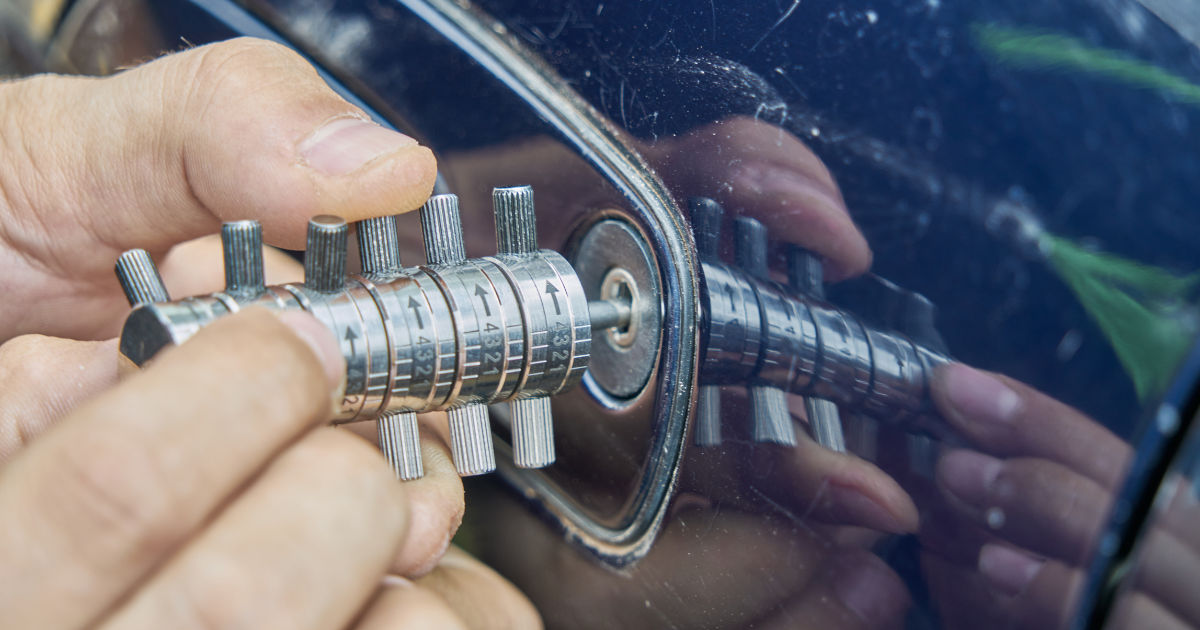
Ignition car key replacement is a service that helps drivers regain access and functionality when their keys are lost, damaged, or worn out. Understanding how ignition car key replacement works can save you time, money, and stress.
Car key replacement is not just about making a copy. Modern cars use advanced key systems, including transponder chips and remote controls.
It seems the content you want me to rewrite is still empty. Please provide the text so I can rewrite it with the keyword “car key replacement” inserted
Why Ignition Car Keys Fail
Ignition keys can fail for several reasons. Sometimes, the metal key wears down from regular use. Other times, the internal mechanisms of the key, such as the transponder chip, get damaged. Environmental factors like dirt, moisture, or extreme temperatures can also affect the key.
One common problem is key breakage. Many keys, especially older ones, are prone to snapping inside the ignition or lock cylinder. When this happens, ignition car key replacement is necessary to restore functionality.
Lost or stolen keys are another major issue. If you lose your keys, you can’t just get a duplicate from home. Modern cars often require reprogramming or specialized equipment to make a new key. Ignition car key replacement services are designed to handle these situations.
Types of Car Keys
Before understanding ignition car key replacement, it’s important to know the types of car keys:
Standard Metal Keys
These are the traditional keys that only mechanically open the locks and start the ignition. They are simple but can wear down over time.
Transponder Keys
These keys contain a chip that communicates with your car’s immobilizer system. If the chip is not present or fails, the car won’t start. Ignition car key replacement for these keys requires programming.
Remote Keys
These keys combine a mechanical key with a remote control for locking/unlocking the car. Replacement requires both cutting the key and syncing the remote functions.
Smart Keys and Key Fobs
Modern vehicles use smart keys that operate without physically inserting them into the ignition. Ignition car key replacement for these keys is more complex, often requiring advanced diagnostic tools and programming.
How Ignition Car Key Replacement Works
The process of ignition car key replacement depends on the type of key and the car’s security system. Here’s a detailed breakdown:
Step 1: Assess the Situation
The first step is identifying the type of key and the problem. A professional locksmith or dealership will ask whether the key is lost, broken, or malfunctioning. They also check the vehicle’s make, model, and year, as this determines the replacement method.
Step 2: Remove Broken Keys
If your key broke in the ignition or door, the technician must safely extract the remaining piece. Special tools like key extractors are used to avoid damaging the lock cylinder. This step is crucial because a damaged lock can lead to additional costs.
Step 3: Choose Replacement Method
Depending on the key type, the replacement may involve:
-
Cutting a new key: For standard metal keys, a new key can be cut using the original or the car’s key code.
-
Programming a chip: For transponder keys or smart keys, the new key must be programmed to communicate with the car’s immobilizer system.
-
Remote syncing: For keys with remote functions, syncing the key with the car’s central locking system is required.
Step 4: Cutting the Key
If the key is a traditional or mechanical type, it is cut using a key cutting machine. Professional locksmiths use precision tools to ensure the new key fits perfectly into the ignition and locks. Accuracy is critical because even a minor error can prevent the key from working.
Step 5: Programming the Key
For modern cars, ignition car key replacement often involves programming the key. This step is necessary for transponder keys, smart keys, and remote keys. Programming connects the new key to your car’s security system. Without programming, the car will not recognize the key, even if it physically fits the ignition.
Programming is done using specialized software or diagnostic tools. Some locksmiths can do this on-site, while others may need to work with a dealership.
Step 6: Testing the Key
Once the new key is cut and programmed, the technician tests it. This includes checking the ignition, locks, remote functions, and any other electronic features. Testing ensures the key works reliably and avoids potential failures later.
Step 7: Providing a Spare
Whenever possible, it’s recommended to get a spare key during ignition car key replacement. Having a backup reduces stress if a key is lost or damaged in the future.
Signs You Need Ignition Car Key Replacement
Knowing when to replace your ignition key can prevent inconvenient situations. Here are some common signs:
-
Key sticks in the ignition: This may indicate wear or internal damage.
-
Difficulty turning the key: Resistance while starting the car can be a warning sign.
-
Car fails to recognize the key: For transponder or smart keys, this means the chip is malfunctioning.
-
Broken or bent key: Any visible damage requires immediate replacement.
-
Lost key: If you can’t find your key, ignition car key replacement is necessary to regain access.
Cost of Ignition Car Key Replacement
The cost varies depending on the key type and car model. Standard keys are cheaper to replace, while transponder and smart keys are more expensive due to programming requirements. Factors that affect the cost include:
-
Labor fees for locksmith or dealership
-
Type of key (mechanical, transponder, smart)
-
Programming and syncing requirements
-
Emergency services or on-site visits
On average, ignition car key replacement can range from $50 to $500 or more, especially for high-end vehicles with advanced security systems.
DIY vs Professional Replacement
Some people consider replacing their car key themselves. While cutting a standard key may be possible, modern keys with chips or remote functions require specialized equipment. DIY attempts can lead to:
-
Damaging the ignition or locks
-
Programming errors
-
Voiding car warranties
-
Extra costs due to failed attempts
Hiring a professional ensures proper replacement, reduces risk, and guarantees that the key works with your car’s system.
Choosing a Professional Locksmith
Selecting the right professional is crucial for ignition car key replacement. Look for:
-
Licensed and insured locksmiths
-
Experience with modern car keys
-
Positive reviews or recommendations
-
Emergency or mobile services
A reputable locksmith can replace broken keys, program new keys, and provide spare keys on-site.
Benefits of Ignition Car Key Replacement
Ignition car key replacement provides several benefits:
-
Convenience: Quickly restores access to your car.
-
Safety: Ensures your car remains secure, especially after losing a key.
-
Reliability: Professionally cut and programmed keys work consistently.
-
Prevention: Reduces future emergencies by providing spare keys.
-
Cost-effective: Prevents expensive repairs due to broken keys or damaged locks.
Common Misconceptions About Car Key Replacement
Many car owners misunderstand ignition car key replacement. Let’s clarify:
“All Keys Are the Same”
Modern keys vary greatly. Transponder and smart keys need programming, unlike standard keys.
“I Can Use Any Locksmith”
Not every locksmith can handle advanced keys. Choose one with experience in your car model.
“It’s Expensive Everywhere”
While some dealerships charge high fees, independent locksmiths often offer affordable solutions with the same quality.
“DIY Replacement Is Easy”
DIY may work for basic keys but is risky for modern car keys with chips and electronics.
How to Prevent Key Problems
Taking care of your ignition key can prevent emergencies:
-
Keep keys clean and dry
-
Avoid bending or using excessive force
-
Have a spare key available
-
Schedule key inspections for older vehicles
Preventive care reduces the chances of needing emergency ignition car key replacement.
Ignition Car Key Replacement for Emergency Situations
Sometimes, keys break or are lost unexpectedly. Emergency ignition car key replacement services exist for:
-
Lockouts
-
Broken keys in ignition
-
Lost remote or smart keys
Mobile locksmiths can come to your location and replace keys on-site, saving you time and stress.
Future of Car Key Technology
Car key technology is evolving. Keyless entry, smart keys, and smartphone-based systems are becoming common. Even with these advances, ignition car key replacement services remain essential. Locksmiths continue to update their skills and tools to handle newer vehicles, ensuring drivers always have access.
Tips for Working with a Locksmith
When seeking ignition car key replacement:
-
Confirm your car make and model
-
Ask about pricing upfront
-
Verify they can program your key type
-
Request a spare key if possible
-
Keep their contact for future emergencies
Following these tips ensures a smooth and hassle-free experience.
Conclusion
Ignition car key replacement is an essential service for all car owners. Whether you have a traditional key or a modern smart key, understanding how replacement works can save you from stress and unexpected costs. The process involves assessing the key, cutting or programming a replacement, and ensuring the new key functions perfectly with your car. Professional locksmiths provide safe, reliable, and efficient services, often offering mobile and emergency support. By knowing the signs of key problems, choosing the right professional, and taking preventive measures, drivers can maintain access and security for their vehicles. Ignition car key replacement is more than just making a key—it’s about ensuring peace of mind, safety, and convenience for every driver.


Leave a Reply